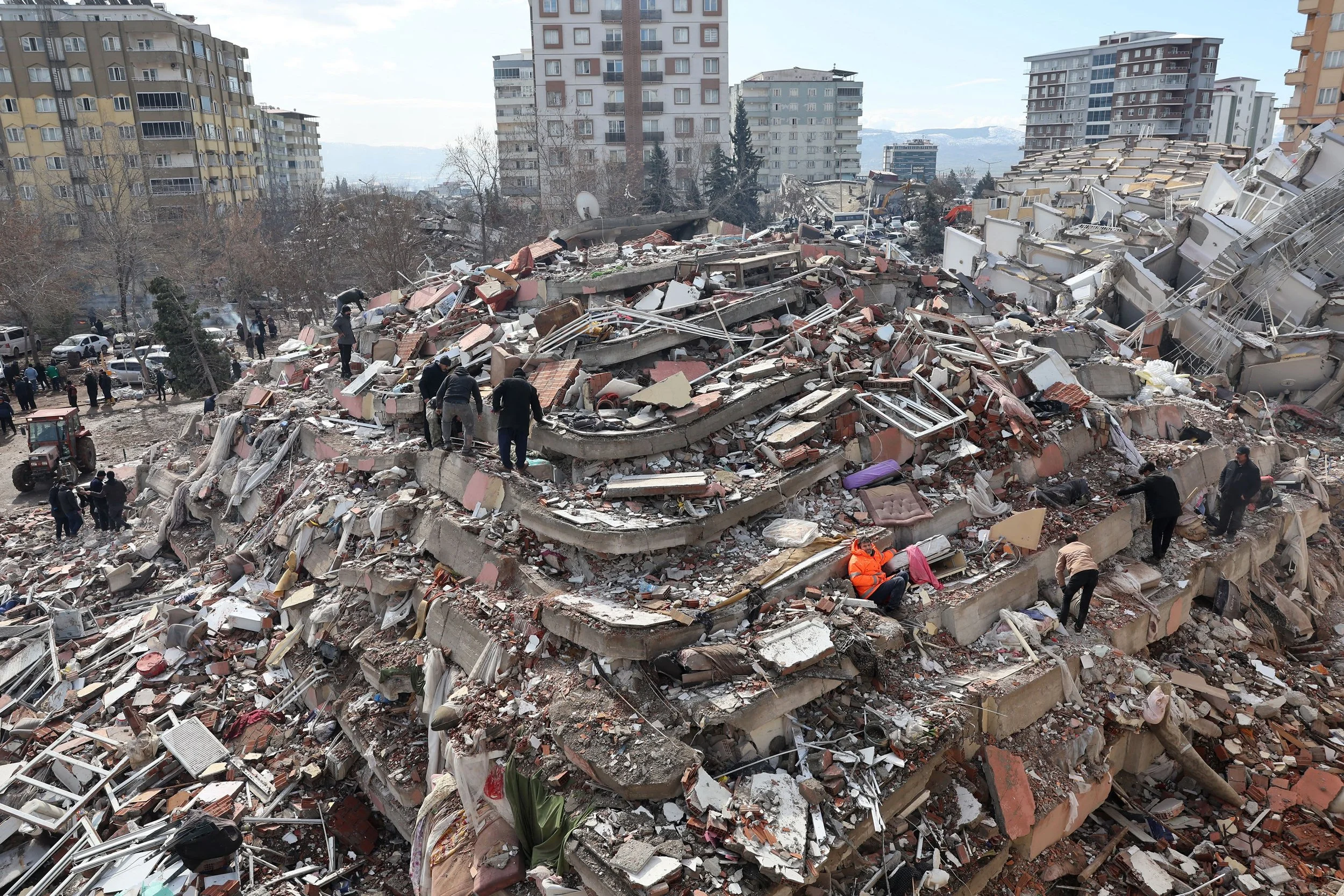
The morning of February 6th was peaceful. The twilight sky was still dark, but stars were slowly becoming less visible. Residents were waking up little by little to get ready for work and start their day. But at around six o’clock in the morning, the ground shook and everyone who was sleeping in northern Syria and southern Turkey were awoken by an massive earthquake that would record a 7.8 on the Richter Scale. It would be felt in Lebanon, Israel and even parts of Iran. Around 60 aftershocks would occur with the biggest one having a magnitude of 7.5 following the initial quake.
Read MoreLess eggs, less meat, and more chicken feet. While at first glance this may sound like a bizarre nursery rhyme for some, Egyptians know all too well that this is what state-run media in Egypt considers a good alternative to the crippling inflation that has become impossible for anyone in the country to ignore. When speaking to Egyptians today, it is clear that many are starting to lose patience with the consistently ailing economic situation. “We legitimately don’t know where the country is headed.
Read MoreOffices trashed, fire alarms blaring, sprinklers set off, stolen artifacts. Congress had become a battlefield of democracy. But this time, it was not Americans attempting to overthrow the government. It was Brazilians. The familiar story took place on the floor of the House of Deputies, the lower House of Congress in Brasilia, Brazil just a week after the inauguration of the new president. This is not common in the history of industrialized states like the U.S. and Brazil, however these two countries took to similar methods after stark electoral losses.
Read MoreShall we play a game?
No, this is not a 1980s film about Mattew Broderick staving off nuclear disaster, but another age-old game that we have been playing since humanity existed: war. As with the board game with the same name, war involves risks, either taking them or accepting them based on the cards you are dealt. Unlike the board game, however, the fog of war clouds the capabilities of the enemy, and leaders risk either diving headfirst into a body of cool water, or solid concrete.
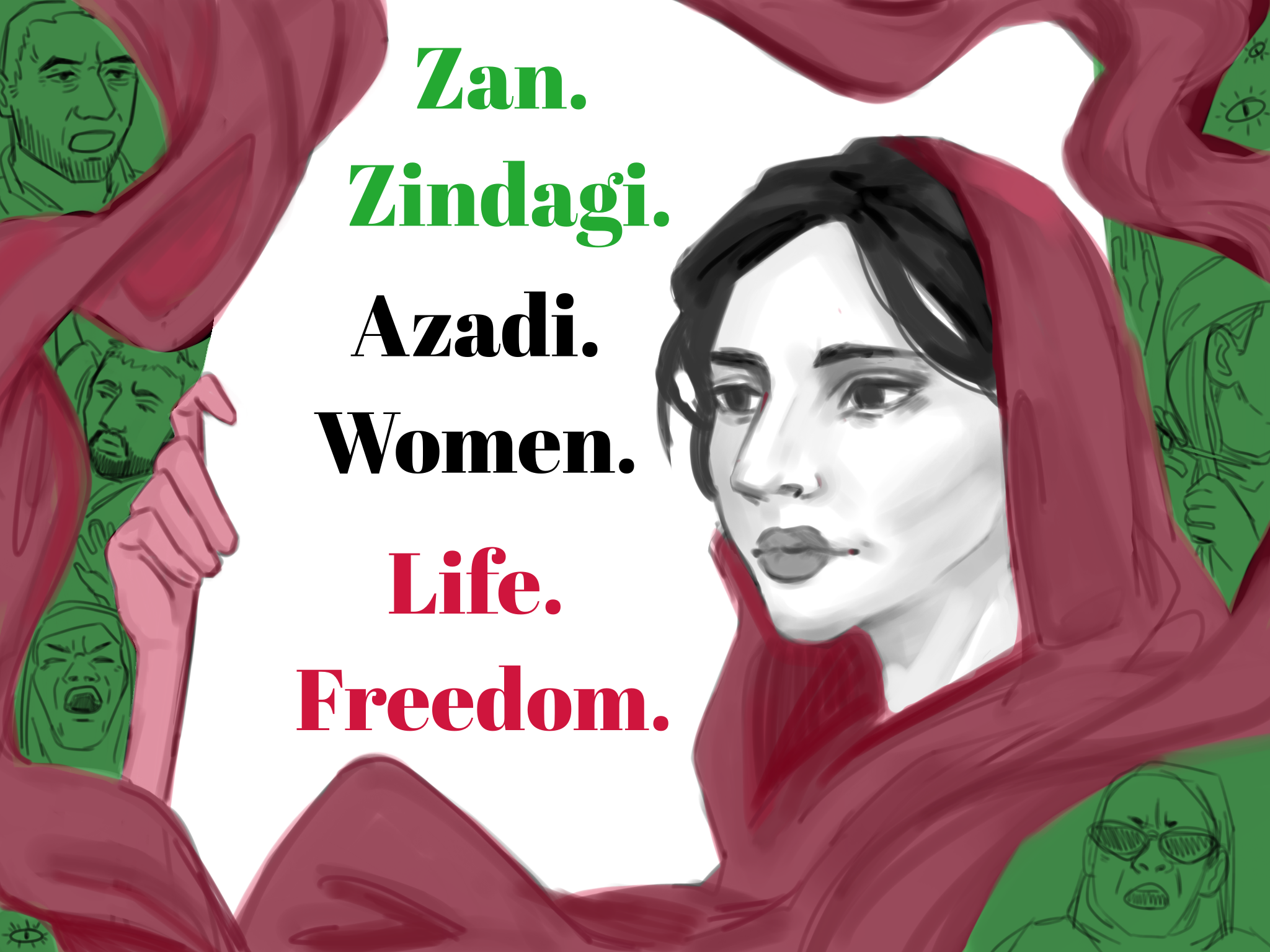
Read MoreFor decades, the governing system and regime in Iran have limited basic freedoms for women. In 1979, the Iranian Revolution installed a radicalized system of government, leaving the country with a militarized theocracy that controls and oppresses citizens. Due to the corrupt regime, Iranian women face harsh discrimination. Lack of freedom of expression, association, and assembly has left Iran’s citizens powerless. On Sept. 13th, 2022, a 22-year old woman, Mahsa Amini, was prosecuted for disobeying the headscarf regulation. Amini was brutally assaulted in jail, catalyzing thousands of Iranian’s to resist the regime through strikes and protests.
Read MoreCyber attacks are becoming an increasing threat to the international community and United States national security. Such attacks are no longer dominated by solo figures but have been increasingly sponsored by national governments as a new type of weapon in their arsenals. To understand why cyber weapons and cyber defenses are critical to our national security now and in the future, we must answer some key questions. Why are cyber attacks becoming increasingly attractive to governments, and what are their pitfalls?
Read MoreIt has been said that the sun never sets on the British Empire. Well, it’s beginning to look like dusk. The death of Queen Elizabeth II has sent many questions rippling through the UK and the world. What purpose does the monarchy serve? Why is the United Kingdom so important internationally? What does the future of the Commonwealth and Britain look like? The last question is the most prescient one to the UK and the world. To answer this, we’ll have to figure out what the Commonwealth is, what it does, who’s in it, and what its future looks like. Then, we’ll discuss the past, present and future of the UK, its economy, its politics, and how that will affect the Commonwealth at large.
Read More1917 marks the British announcement of Palestine as a home for the Jews through the Balfour Declaration. Five years later, in 1922, Britain was granted a mandate over much of the Middle East, and partitioned the region between themselves and the French. Britain and France now had chopped up Palestine, a region of the old Ottoman Empire after the first World War when Arabs struggled to find the strength and organization to push back against the British invasion.
Read MoreOn Oct. 30th 2022, Brazilians went to the polls for one of the most consequential elections in the country’s modern history. The two choices fittingly represent the troubles of the past decade, including a crippling recession, the impeachments of two sitting presidents, the jailing of another, the continuing destruction of the Amazon rainforest, and executive negligence during a deadly pandemic.
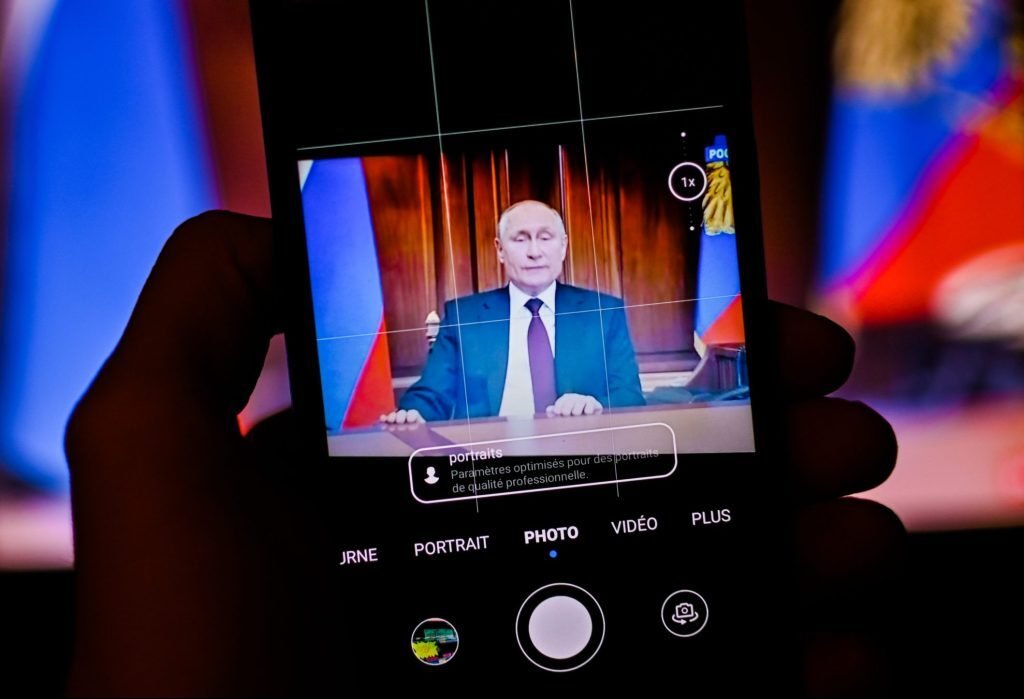
The Russian invasion of Ukraine has placed the Russian Federation on center stage, with all eyes looking at the bear’s next steps. The Ukrainians are being bolstered by the European Union and the United States, under the guise of protecting national sovereignty and promoting democracy. The blatant disregard for the damages the West has caused around the world and the sudden interest in the well-being of a white nation is a testament to what the West actually cares about: their domination of global affairs. There was no international outcry for the atrocious war crimes committed in Iraq.
Read MoreThe romanticization of cities and nations in song, poetry, and literature has always fascinated me as I try to remain pragmatic and hopeful about the increasingly chaotic world we live in. I had always imagined that our grasp of beauty and exceptionalism was tied to our memories, experiences, and personal connection to a certain place. But if that is so, why do Americans in the Midwest yearn for visiting the romance of Paris? Why do young men in Lahore dream of experiencing the hustle and bustle of New York City?
Read MoreIn the Guapinol community in Honduras, the river that once supplied the local population with clean drinking water now supplies tap water that runs thick and muddy brown. Overzealous private security guards once gathered on the river banks to force away the protestors, but they were soon replaced with security forces from the Honduran government itself. And for two years, eight human rights defenders were trapped in arbitrary detention, with the future of the land they fought to protect still uncertain.
Read MoreContent Warning: Sexual Violence
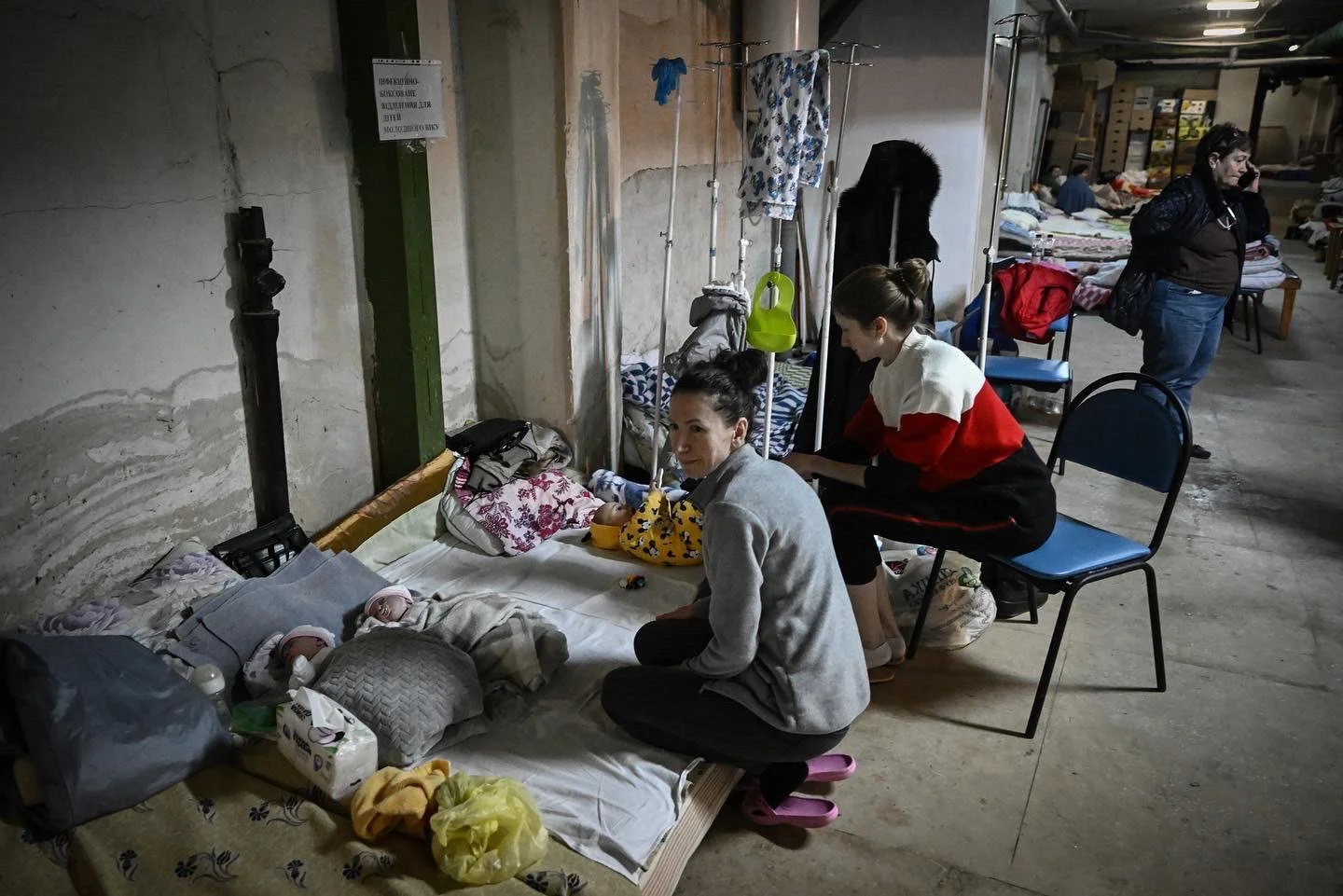
On February 24th, Russia officially invaded Ukraine and the stories of violence, destruction, and chaos have spread internationally. Despite this, some of the most disturbing and heartbreaking stories, those of Ukrainian women and girls, have gone unreported.
Read MoreThe Cold War, the great power struggle between Russia and the US (and more broadly Western influence), is known to have ended in the late 20th century. However, with the recent actions and demands of Russia, this doesn’t seem to be the case. As the Russian-Ukrainian conflict has come into play, it seems as if the Cold War ideology has not been erased but rather has been festering, and now has been thrust into the spotlight once again.
Read MoreRussia’s invasion of Ukraine has given Germany’s political landscape a tremendous shake. New Chancellor Olaf Scholz’s honeymoon period in office ended before it even began. Scholz has come under tremendous pressure from both domestic political adversaries and foreign officials, notably including Ukraine’s ambassador to Berlin, for failing to increase German support of the Ukrainian military quickly enough.
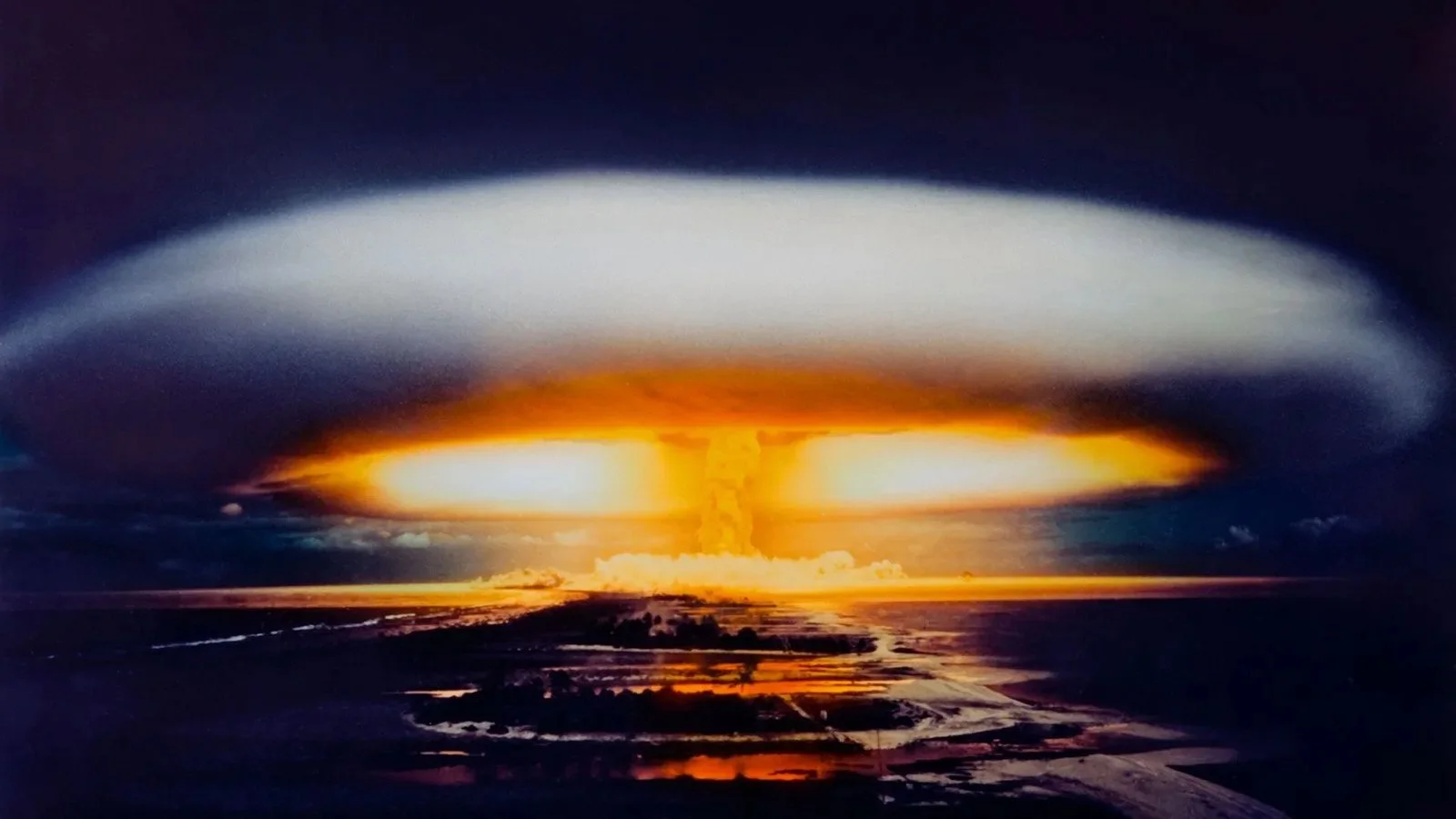
Read MoreWhen nuclear weapons come to mind, there is often hysteria associated with them, the end of the world, destruction of the Earth, end of life as we know it. The public has a vague idea of what nuclear weapons are and what their purpose is in grand strategy, and it’s time to change that. The media consistently overplays the threat of nuclear annihilation, but since the inception of these weapons of mass destruction, they were only ever used twice.
Read MoreThe concerning increase in violent female homicides within the last two decades has prompted many Latin American countries to distinguish these deaths from other homicides by labeling them “femicides.” Femicide refers to the specific killing of women and girls for gender-based reasons, and has cast a dark shadow over the safety of women in these respective countries. In many Latin American countries, impunity of the justice system contributes to the increase in femicide cases. Police agencies and judges often do not thoroughly investigate or prosecute the perpetrators of these heinous crimes…
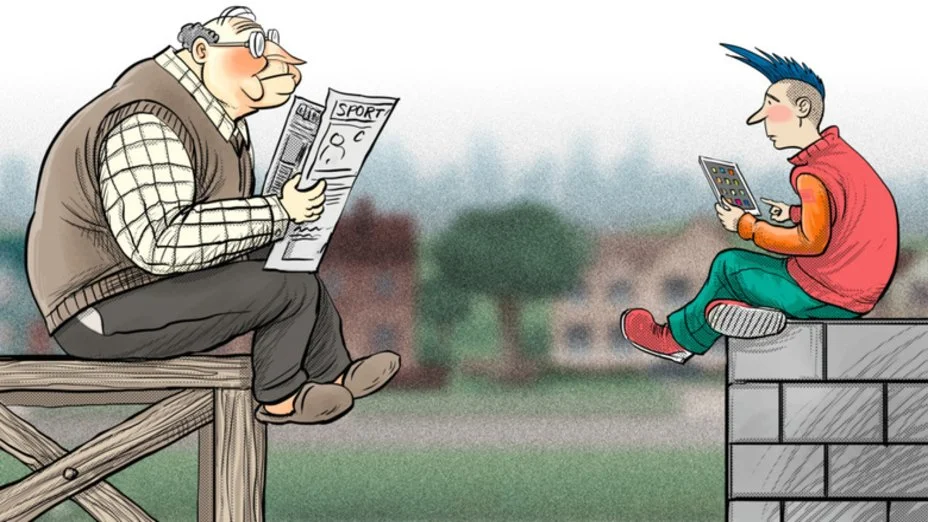
Read MoreFor decades, different generations have had divisions ranging from political affiliation to popular culture, and even visions for the future. To start, it is important to know who exactly Gen Z is. People born from 1997 onward to around 2012 are all considered to be Gen Zers. Due to the differences in socio-economic circumstances that come with being born at such a time period, it is only logical that different generations see the world differently…
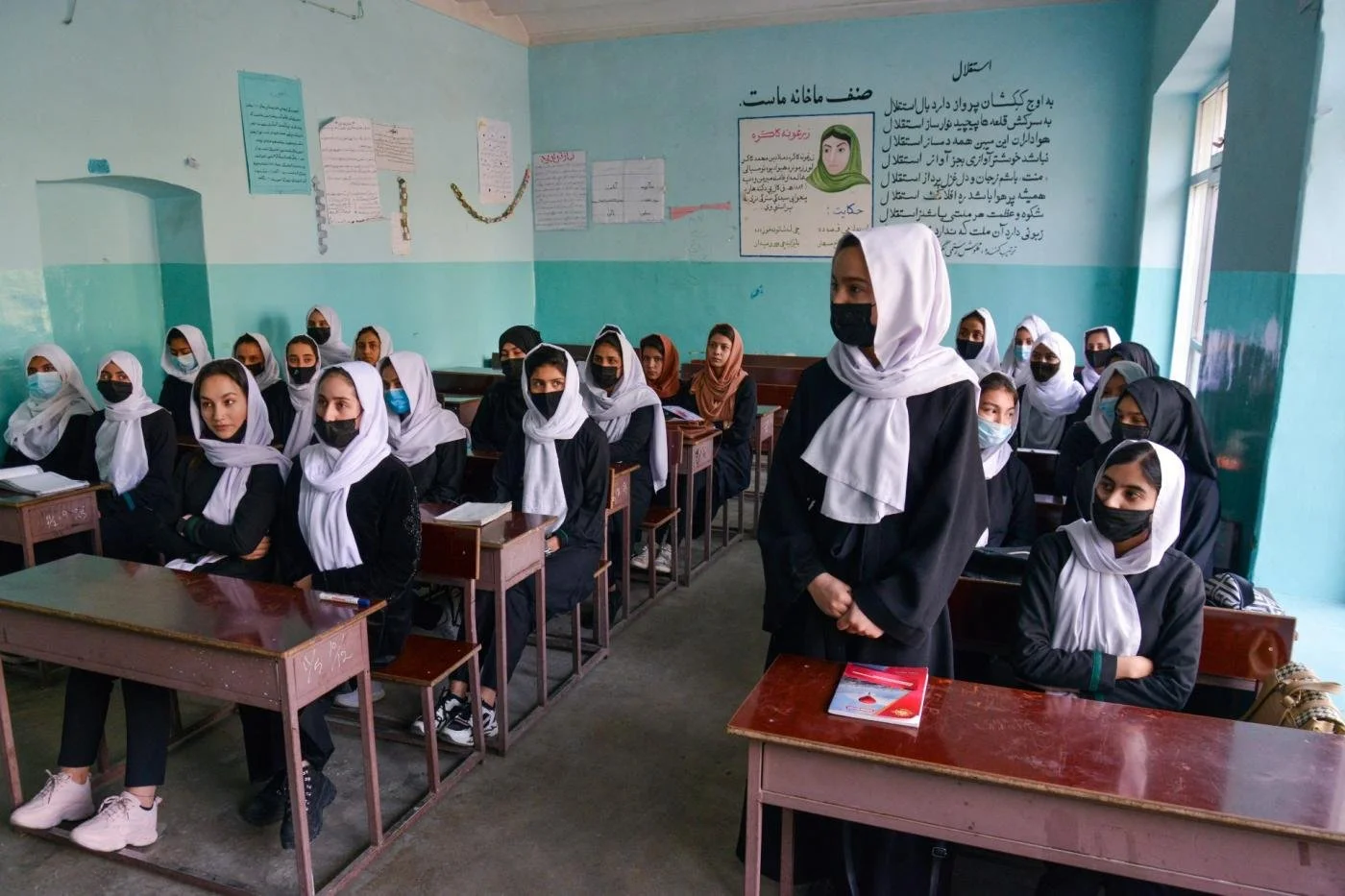
Read MoreIn 2021, the Taliban took control of Afghanistan as US troops withdrew from the country. Of course, many concerns arose among the international community. One of the main concerns was protecting women’s rights, particularly access to education. However, the Taliban reassured the world that they had no plans to stop women from getting an education. The Taliban closed schools for nearly seven months after coming to power.
Read MoreWhen someone thinks of South Korea, they imagine a modern, democratic nation that starkly contrasts with its autocratic and corrupt northern neighbor. And while this perception is somewhat correct, it overlooks the vast levels of corruption that occurs in South Korea. In fact, South Korea only became a true democracy in 1988, rapidly transitioning into what is now perceived as a strong democracy.
Read More